
Microsoft Copilot Cowork Explained: The Future of Work in Microsoft Teams
Microsoft just released something that changes how work actually gets done, and if you lead...
Passwords are still the front line for accessing business systems, email accounts, financial platforms, and everyday tools. The problem is that passwords alone are no longer enough to protect sensitive data. As cyber threats have become more sophisticated, even strong passwords can be stolen, guessed, or exposed, which is why more businesses are turning to two-factor authentication as an added layer of protection.
Two-factor authentication, or 2FA, helps reduce the risk of unauthorized access by requiring a second form of verification beyond a password. It is one of the most practical ways to strengthen account security, but it is not without challenges. To use it effectively, businesses need to understand both the benefits of 2FA and the common implementation issues that can affect usability, adoption, and long-term security.
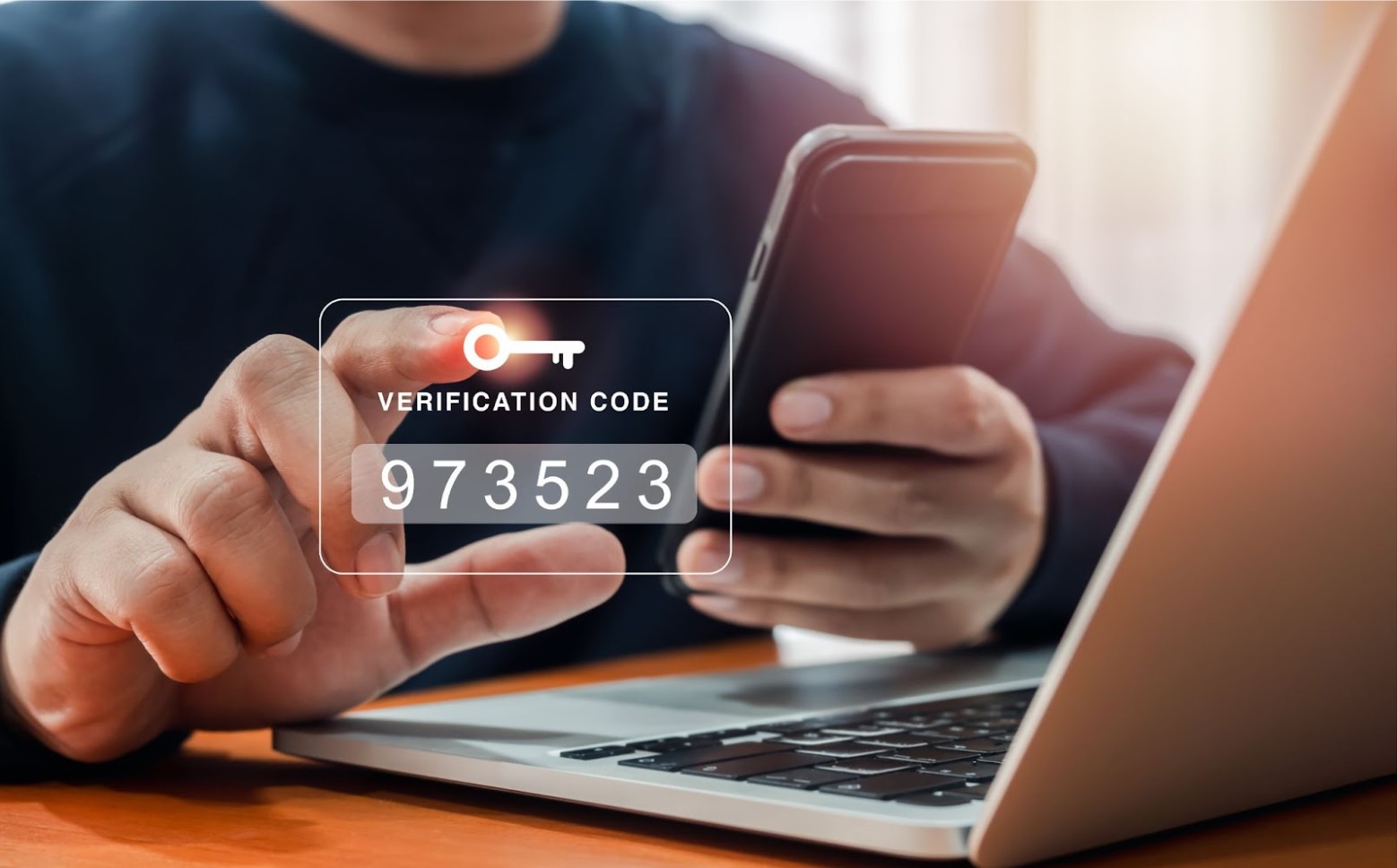
Multi-factor authentication, often called MFA, is a security method that requires users to verify their identity using more than one form of authentication before gaining access to an account or system. Two-factor authentication, or 2FA, is the most common type of MFA because it uses two separate verification steps. In practice, this usually means entering a password and then confirming your identity with something else, such as a one-time code sent to your phone, a fingerprint scan, an authentication app, or a physical security key.
By requiring more than just a password, multi-factor authentication creates an additional barrier between your accounts and unauthorized users. Even if a cybercriminal steals or guesses a password, they are much less likely to gain access without the second verification factor. For businesses, that added layer of protection can play an important role in reducing the risk of data breaches, account compromise, and unauthorized access to sensitive systems.
Multi-factor authentication is built around the idea that one credential should not be enough to prove someone’s identity. Instead, it combines two or more factors from different categories. These often include something the user knows, such as a password or PIN, something the user has, such as a mobile device or hardware token, and something the user is, such as a fingerprint or facial recognition.
This layered approach strengthens login security because it makes an attack much more difficult to carry out. A stolen password on its own is no longer enough. An attacker would also need access to the second authentication factor, which adds friction for bad actors while improving protection for legitimate users.
For businesses, multi-factor authentication is no longer just a nice extra. It has become a practical and necessary part of a strong cybersecurity strategy. Employees access email, cloud platforms, financial records, customer data, and internal systems every day, which means a single compromised login can create serious risk.
Implementing MFA helps protect those accounts by reducing the chances of unauthorized access, even when passwords are weak, reused, or exposed in a breach. It is especially valuable for organizations handling sensitive data, meeting compliance requirements, or trying to lower the risk of phishing, ransomware, and account takeover incidents.
Multi-factor authentication offers a clear security advantage over passwords alone. While strong passwords still matter, they can be stolen, reused, guessed, or exposed through phishing and data breaches. MFA adds another layer of verification, making it much harder for unauthorized users to access an account even if a password has already been compromised.
The biggest benefit of two-factor authentication is stronger protection against unauthorized access. By requiring a second verification step, 2FA reduces the likelihood that a stolen password will lead directly to a breach. That added protection is especially valuable for businesses that store sensitive client data, financial information, internal records, or proprietary systems.
Phishing attacks have become much more convincing, which means even careful users can be tricked into entering their credentials on a fake login page. When that happens, a password alone offers very little protection.
Two-factor authentication helps limit the damage by requiring a second verification step after the password is entered. Even if an attacker captures login credentials, they are far less likely to access the account without the additional code, app approval, or device-based prompt. For businesses, that extra barrier can make a major difference in reducing account compromise.
For many businesses, cybersecurity is not just a best practice. It is also part of meeting industry and regulatory expectations. Organizations in sectors like healthcare, finance, legal, and e-commerce often face requirements around protecting sensitive data, controlling access, and reducing the risk of unauthorized entry into business systems.
Two-factor authentication is often recommended, and in some cases required, as part of a stronger access control strategy. Implementing 2FA can help businesses support compliance efforts, better protect sensitive information, and reduce the risk of fines, legal exposure, and reputational damage tied to preventable security gaps.

While two-factor authentication is highly effective, not every MFA method offers the same level of protection. Some options, especially SMS-based verification, are more vulnerable than stronger alternatives such as passkeys, FIDO2 security keys, or certificate-based methods. As Microsoft notes in its overview of phishing-resistant authentication methods, businesses should think carefully about which MFA approach best fits their security needs, user experience, and long-term risk posture.
Two-factor authentication is an important step toward stronger cybersecurity, but successful implementation takes more than simply turning it on. Businesses need a solution that improves protection, supports compliance, and fits smoothly into daily workflows without creating unnecessary frustration for employees.
If you are evaluating ways to reduce security risk, prevent unauthorized access, and strengthen your overall network security strategy, working with an experienced IT support provider can make the process easier and more effective.
At SafePoint IT, we help businesses implement practical cybersecurity solutions that align with real operational needs. From 2FA setup and access control to broader support for ransomware prevention, regulatory compliance, and network security, our team can help you put the right protections in place with minimal disruption. Contact SafePoint IT to learn how we can help support your business with secure, well-managed IT solutions.