

SafePoint IT Named to the 2026 Inc. 5000 List
SafePoint IT has been named to the 2026 Inc. 5000 list, the annual ranking of...
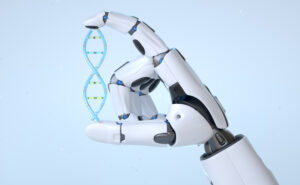 Brain tumors are a severe medical condition where gliomas can be challenging to diagnose and treat. This brain tumor affects over 100,000 people annually worldwide. However, a group of neurosurgeons and engineers developed an AI-based diagnostic screening system called DeepGlioma. This tool uses rapid imaging to analyze tumor specimens and detect genetic mutations.
Researchers from the University of California, San Francisco, New York University, and other institutions worked together to build the DeepGlioma system. It uses stimulated Raman histology, which is an optical imaging technique, combined with deep neural networks to analyze brain tumor tissue and also identify molecular subgroups of diffuse glioma.
Because patients with different genetic makeups have varying surgical benefits and risks, the molecular classification of gliomas is crucial for correctly detecting and treating these tumors. Surgeons previously lacked access to a technology that could distinguish diffuse gliomas after surgery. Yet, the researchers claim that DeepGlioma can define molecular subgroups of this illness with an accuracy of more than 90%.
In a press release, DeepGlioma creator Todd Hollon, MD, a neurosurgeon at the University of Michigan Health, stated that this tool "creates an avenue for accurate and more timely identification would give providers a better chance to define treatments and predict patient prognosis" (healthitanalytics).
Since patients with malignant diffuse gliomas only have an average survival time of roughly 18 months, a system like DeepGlioma must move quickly to improve treatment. According to the researchers, the method has significant potential for redesigning clinical trial design and bringing new medicines to patients.
Overall, the DeepGlioma system is a significant advancement in detecting and managing gliomas. Because of its accuracy and quickness, there is potential for more successful treatments and better patient outcomes. Therefore, AI-based systems like DeepGlioma and PoxApp are transforming the medical field and offering new opportunities for earlier detection, more precise diagnosis, and personalized treatments.